Ceramic Coating
Is Ceramic Coating Worth It? An Honest Guide for Chester County Drivers
· Blackline Auto Detailing · 5 min read
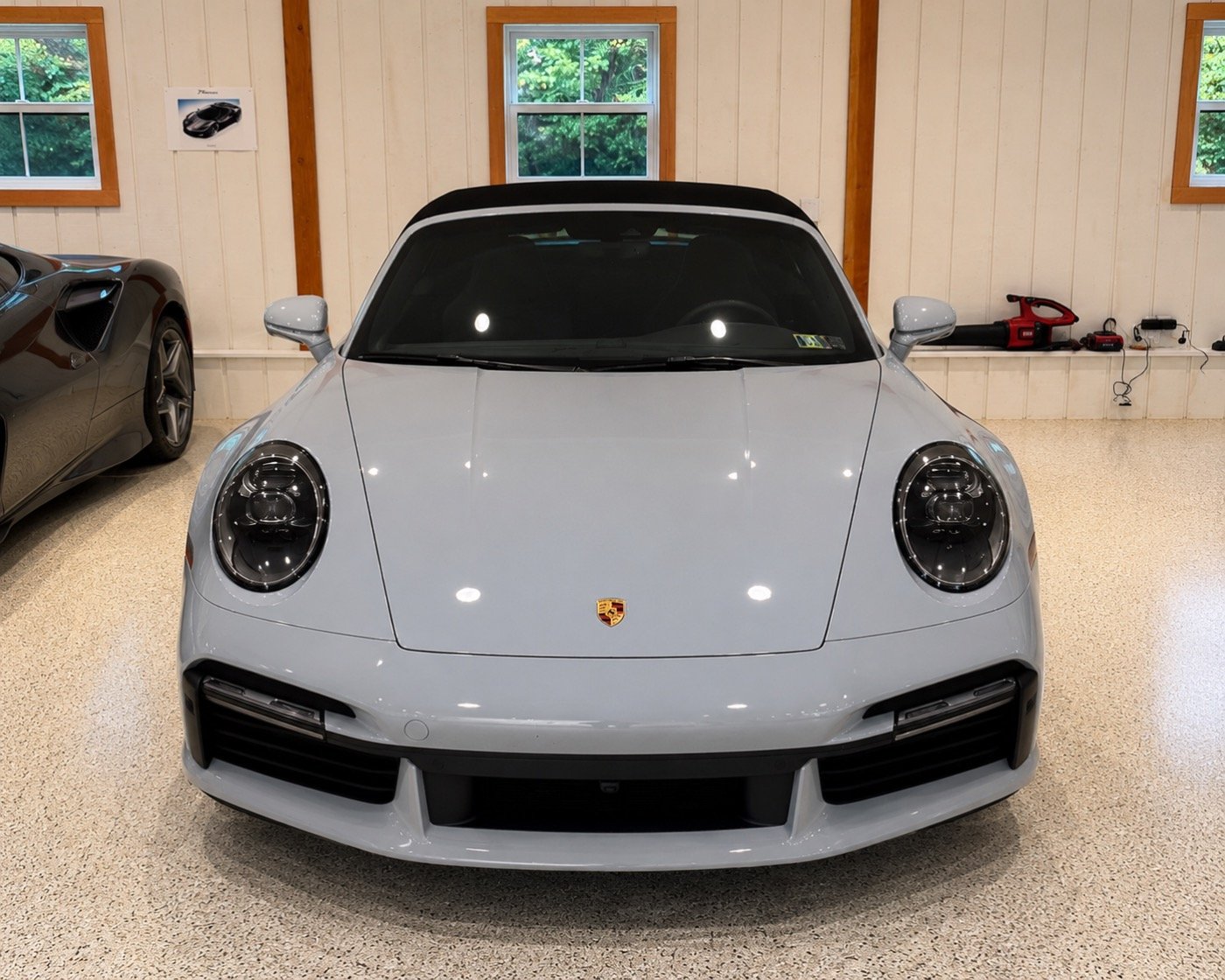
Ceramic coating is the most marketed product in car care — and the most misunderstood. Half of what you'll read online overhypes it into force-field territory; the other half dismisses it as expensive wax. The truth sits in the middle, and once you understand what a coating actually is, deciding whether it's worth it for your car gets much easier. Here's the honest version, from a shop that installs ceramic coatings every week in West Chester.
What ceramic coating actually is
A ceramic coating is a liquid polymer — usually built around silicon dioxide (SiO₂) — that chemically bonds with your vehicle's clear coat as it cures. That's the key difference from wax or sealant: those sit on top of the paint and wash away in weeks or months. A coating cross-links into a hard, transparent layer that becomes part of the surface itself, which is why a professional coating is measured in years, not washes.
Once cured, that layer changes how the paint interacts with the world. Water beads and sheets off instead of sitting on the surface. Dirt and road film have less to grip, so washing gets faster and gentler. UV rays and light chemical contamination — bird droppings, bug splatter, tree sap — meet the coating before they meet your clear coat.
What it protects against
- UV damage and oxidation — the slow fade that dulls paint over years of sun exposure
- Chemical etching from bird droppings, bug acids and tree sap (removed promptly, they don't bite into the paint)
- Water spotting — minerals sit on the coating, not in the clear coat, and wipe away far more easily
- Light wash marring — the coating is harder than the clear coat beneath it, so proper washing inflicts less damage
- Road film and grime bonding — contaminants release during a normal wash instead of needing clay or chemicals
For drivers around Chester County, two items on that list matter more than the rest: winter road salt and spring pollen. Both are brutal on unprotected paint, and both wash off a coated car with a fraction of the effort.
What it does not do
This is where the marketing gets dishonest, so let's be direct. A ceramic coating will not stop rock chips. It will not prevent deep scratches from keys, branches or parking-lot doors. It will not make your car self-cleaning, and it does not mean you never wash again. For impact protection against chips, the right product is paint protection film — a different solution to a different problem.
A coating also doesn't fix existing damage. Swirls, holograms and oxidation get locked in under the coating if they're not removed first — which is why every coating we install at our West Chester shop starts with paint correction, quoted separately based on the actual condition of your paint.
Coating vs. wax vs. sealant
- Wax: warm gloss, but gone in 4–12 weeks
- Paint sealant: better durability, typically 3–6 months
- Professional ceramic coating: 1–8 years depending on the tier, with far stronger chemical and UV resistance
If you enjoy waxing your car every few months and your vehicle is garaged, wax is a perfectly reasonable choice. A coating is for owners who want the protection to be done once and last — and who want every wash after that to be easier.
Who benefits most from a coating
In our experience, the owners who get the most value from a coating share a few traits:
- Daily drivers parked outside — commuters and family vehicles that face sun, salt and pollen year-round
- New car owners who want to lock in factory-fresh paint before defects accumulate
- Enthusiasts and collector cars where gloss and long-term paint preservation are the point
- Anyone who wants to wash less often and spend less time doing it
The owners who get the least? Garage-kept fair-weather cars that are already maintained on a strict schedule — they're protected by their routine more than any product.
What professional installation involves
The coating itself is only part of the result — the preparation is what separates a professional install from a driveway kit. At our shop, the process runs two to four days: a full wash and chemical decontamination, paint depth gauged panel by panel, machine correction where the paint needs it, then the coating applied and cured under controlled lighting and temperature. That controlled environment is why coating work is shop-only — it can't happen properly in a driveway.
We install two systems: an Essential tier rated at one to three years for daily drivers, and a Signature multi-layer system rated at five to eight years, backed in-house with an annual check-up. Both include wheels, glass and trim. You can see the full breakdown on our ceramic coating page.
Maintaining a coated car
A coating lowers the maintenance burden — it doesn't eliminate it. The rules are simple: wash regularly with a pH-neutral soap, skip the brush-style automatic washes, and remove bird droppings and sap promptly rather than letting them bake. Do that, and the hydrophobic behavior that makes the car so easy to wash keeps working for the life of the coating.
A ceramic coating won't make your car indestructible. It will make it easier to wash, slower to age, and better protected against everything the road throws at it — for years, not weeks.
So — is it worth it?
For most vehicles that live outside and get driven daily, yes: the years of protection, easier washing and preserved resale presentation outweigh the one-time cost. For garage queens on a strict detailing schedule, the math is closer. If you're unsure which camp your car falls into, we're happy to look at the paint and give you a straight answer — no pressure either way. We serve drivers across Chester County, the Main Line, Philadelphia, Delaware County, northern Delaware, Lancaster County and the Lehigh Valley.